SMOOTH GUIDE to KENYA COAST
  • INTRODUCTION
    • About Kenya
    • MOMBASA >
      • Then ...
      • Now ...
  • Top Tips
    • Consuls
    • Codes of Conduct ... >
      • Code of Conduct - on the Beach
      • Code of Conduct - on Safari
      • Code of Conduct - Etiquette
      • Code of Conduct - Shopping
    • Climate
    • Currency
    • Safety >
      • Be Cautious with Nature - on land
      • Be Cautious with Nature - at sea
      • How to avoid being stung
      • Water Safety
      • Cardipulmonary Resuscitation - CPR
      • Fire Safety
      • Should you trust a tail-wagging dog?
    • Kiswahili
    • Nothing to Declare
    • Public Holidays
    • Security - Personal
    • Tipping and Bargaining
    • Travel
    • Take the fear out of flying
  • Services
    • Electrics
    • Emergency Services
    • Car Hire
    • The Media
    • Post Office
    • Transport
  • Medical Care
    • Vital Statistics
    • Immunisation
    • Disease Risk Profile
    • Disease Transmissions
    • Disease Low-Down
    • Drugs
    • Mosquitoes >
      • Mosquito Trivia
      • Malaria
      • The Lariam Controversy
    • Solvents
    • Sensible Drinking
  • Things To Do ...
    • Things to do in Mombasa
    • Things to do all over Kenya
  • Animal + Environment Welfare
    • Wildlife Park Rules
    • National Parks

Tips for a comfortable, happy and safe visit ... 
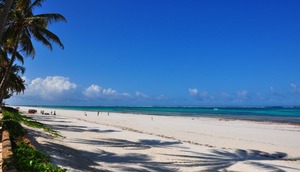
Code of Conduct ... On the Beach 
Picture
Picture
Picture

  • Coral is a living organism and can be easily damaged or destroyed by even the lightest con act.  It can also cause nasty cuts that are then prone to infection.

  • Sand can suffocate and kill the coral polyps if kicked up while swimming or snorkelling.

  • The dragging of anchors and anchor chains across the reef causes immense damage, so when taking a boat out to the reef, ensure that you use established mooring points and do not drop anchor onto the reef.

  • Leaving litter on the beach - or in the sea - is unsightly and can cause accidents to both humans and marine life.

  • Food waste should not be thrown in the sea - this upsets the balance of the ecosystem.

  • Do not collect shells, coral, star-fish or any other souvenirs from the beach - these may still be alive and certainly they all play an important role in this fragile ecosystem.

  • Resist buying marine souvenirs.  Although most legal, many species are over-harvested, causing irrecoverable damage to the reefs and marine ecosystems.
Powered by Create your own unique website with customizable templates.
  • INTRODUCTION
    • About Kenya
    • MOMBASA >
      • Then ...
      • Now ...
  • Top Tips
    • Consuls
    • Codes of Conduct ... >
      • Code of Conduct - on the Beach
      • Code of Conduct - on Safari
      • Code of Conduct - Etiquette
      • Code of Conduct - Shopping
    • Climate
    • Currency
    • Safety >
      • Be Cautious with Nature - on land
      • Be Cautious with Nature - at sea
      • How to avoid being stung
      • Water Safety
      • Cardipulmonary Resuscitation - CPR
      • Fire Safety
      • Should you trust a tail-wagging dog?
    • Kiswahili
    • Nothing to Declare
    • Public Holidays
    • Security - Personal
    • Tipping and Bargaining
    • Travel
    • Take the fear out of flying
  • Services
    • Electrics
    • Emergency Services
    • Car Hire
    • The Media
    • Post Office
    • Transport
  • Medical Care
    • Vital Statistics
    • Immunisation
    • Disease Risk Profile
    • Disease Transmissions
    • Disease Low-Down
    • Drugs
    • Mosquitoes >
      • Mosquito Trivia
      • Malaria
      • The Lariam Controversy
    • Solvents
    • Sensible Drinking
  • Things To Do ...
    • Things to do in Mombasa
    • Things to do all over Kenya
  • Animal + Environment Welfare
    • Wildlife Park Rules
    • National Parks